
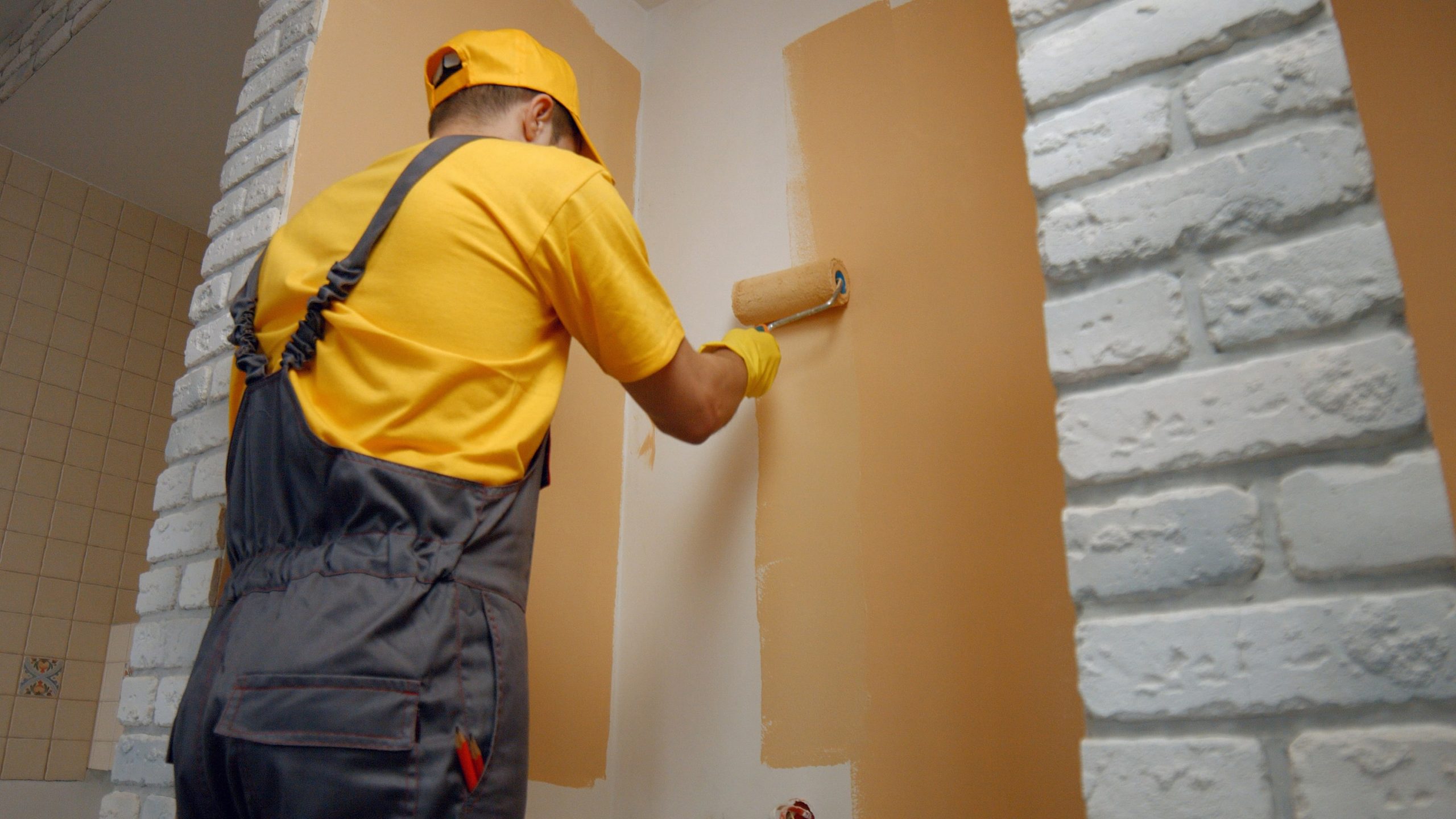
A fresh coat of paint can instantly transform a room, making it feel brighter, cleaner, and more modern. However, the strong smell that often follows can be overwhelming and unpleasant. Paint odors linger due to volatile organic compounds (VOCs) released into the air as the paint dries. These fumes may cause headaches, dizziness, or irritation, especially in poorly ventilated spaces. While commercial air fresheners and chemical neutralizers are available, many homeowners prefer natural alternatives that are safer and environmentally friendly.
Fortunately, there are several effective ways to reduce paint smells using simple household items and proper ventilation techniques. These methods not only help clear the air more quickly but also improve indoor comfort without introducing additional chemicals. By understanding how paint odors behave and applying practical natural remedies, homeowners can restore freshness to their living spaces while maintaining a healthier indoor environment.
Increase Ventilation for Faster Odor Dissipation
The simplest and most immediate way to reduce paint odors is proper ventilation. Fresh air circulation helps disperse VOCs and speeds up the drying process. Opening windows on opposite sides of a room creates cross-ventilation, allowing stale air to exit while fresh air enters.
Using fans strategically enhances airflow even further. Placing a box fan facing outward in a window helps push contaminated air outside. Ceiling fans and portable fans can also keep air moving consistently, preventing fumes from settling in one area. If weather permits, keeping windows open for at least 24 to 48 hours significantly reduces lingering smells.
For homes without adequate window access, running exhaust fans in kitchens and bathrooms may assist in air exchange. Ventilation is a foundational step in improving indoor air quality naturally, especially after renovation projects. While other remedies help absorb odors, consistent airflow remains essential for long-term freshness.
Combining ventilation with additional natural odor-absorbing solutions enhances overall effectiveness and ensures a more comfortable indoor atmosphere.
Use Baking Soda to Absorb Lingering Smells
Baking soda is widely known for its odor-neutralizing properties. Instead of masking smells, it absorbs and reduces them. After painting, placing shallow bowls filled with baking soda around the room can help capture residual paint fumes.
To maximize effectiveness, distribute several bowls in different corners and near freshly painted walls. Leaving them in place for at least 24 hours allows sufficient time for absorption. For larger rooms, increasing the quantity of baking soda improves results.
Sprinkling baking soda lightly onto carpets or upholstery (if safe for the material) can also help reduce odors that settle into soft surfaces. Vacuuming thoroughly afterward removes both the powder and trapped smells.
Because baking soda is inexpensive and non-toxic, it provides a practical solution for households with children or pets. It works quietly in the background while ventilation handles active airflow. Together, these approaches gradually restore a neutral indoor scent without relying on artificial fragrances.
Activated Charcoal and Natural Odor Absorbers
Activated charcoal is another highly effective natural odor absorber. Its porous structure traps airborne particles, including VOCs, making it particularly useful for post-painting environments. Small bags or containers of activated charcoal can be placed throughout the room to reduce lingering fumes.
Unlike scented products, charcoal does not add fragrance; it simply removes unwanted smells. Leaving it in the room for several days may provide noticeable improvement, especially in enclosed spaces with limited ventilation.
Other natural absorbers include white vinegar and coffee grounds. Placing bowls of white vinegar around the room helps neutralize paint odors, though it may temporarily introduce its own scent. Coffee grounds absorb odors while adding a mild, pleasant aroma.
These solutions are often included in broader eco-friendly home maintenance practices, as they rely on simple, sustainable materials rather than chemical air fresheners. While results may vary depending on paint type and room size, combining charcoal or vinegar with airflow significantly accelerates odor reduction.
Onions and Lemon Water: Traditional Household Remedies
Though unconventional, onions have long been used as a natural odor neutralizer. Cutting onions in half and placing them in bowls of water around a freshly painted room can help absorb strong fumes. The sulfur compounds in onions interact with airborne particles, reducing paint smell over time.
While the onion scent may initially be noticeable, it typically fades quickly once removed. This method works best when combined with open windows and fans for maximum circulation.
Lemon water offers another natural alternative. Slices of fresh lemon added to bowls of warm water release a clean, citrus aroma that helps counteract harsh paint smells. The refreshing scent creates a more pleasant indoor environment while assisting with odor reduction.
Although these remedies may seem simple, they have proven effective in many households. Their accessibility and low cost make them appealing options for homeowners seeking practical solutions without purchasing specialized products.
Choose Low-VOC Paints for Future Projects
While removing paint odors is important, preventing them in the first place is even better. Low-VOC and zero-VOC paints are formulated to emit fewer harmful chemicals, significantly reducing strong smells during and after application.
These modern paint options are widely available and come in various finishes and colors. Although they may cost slightly more than traditional paints, the long-term benefits—such as improved indoor air quality and reduced health risks—often justify the investment.
Proper painting techniques also help minimize odors. Applying thin, even coats and allowing adequate drying time prevents excess fumes from accumulating. Keeping containers sealed when not in use further reduces VOC release.
By selecting safer materials and maintaining good ventilation, homeowners can enjoy freshly painted spaces without enduring prolonged discomfort. Proactive choices create healthier living environments while simplifying future maintenance efforts.
Conclusion
Removing paint odors naturally is both achievable and beneficial for maintaining a healthy home environment. Effective ventilation remains the cornerstone of odor reduction, helping disperse VOCs and accelerate the drying process. Complementing airflow with natural absorbers such as baking soda, activated charcoal, vinegar, or even traditional remedies like onions and lemon water enhances overall results. These methods are cost-effective, accessible, and free from additional chemicals that could compromise indoor air quality. For long-term comfort, choosing low-VOC or zero-VOC paints significantly reduces odor intensity during future projects. While paint fumes may be unavoidable immediately after application, combining preventive measures with natural odor-removal techniques ensures quicker relief and a more pleasant living space. With thoughtful planning and simple household solutions, homeowners can restore freshness efficiently while prioritizing safety and sustainability. A beautifully painted room should feel inviting—not overwhelming—and natural remedies make that balance possible.